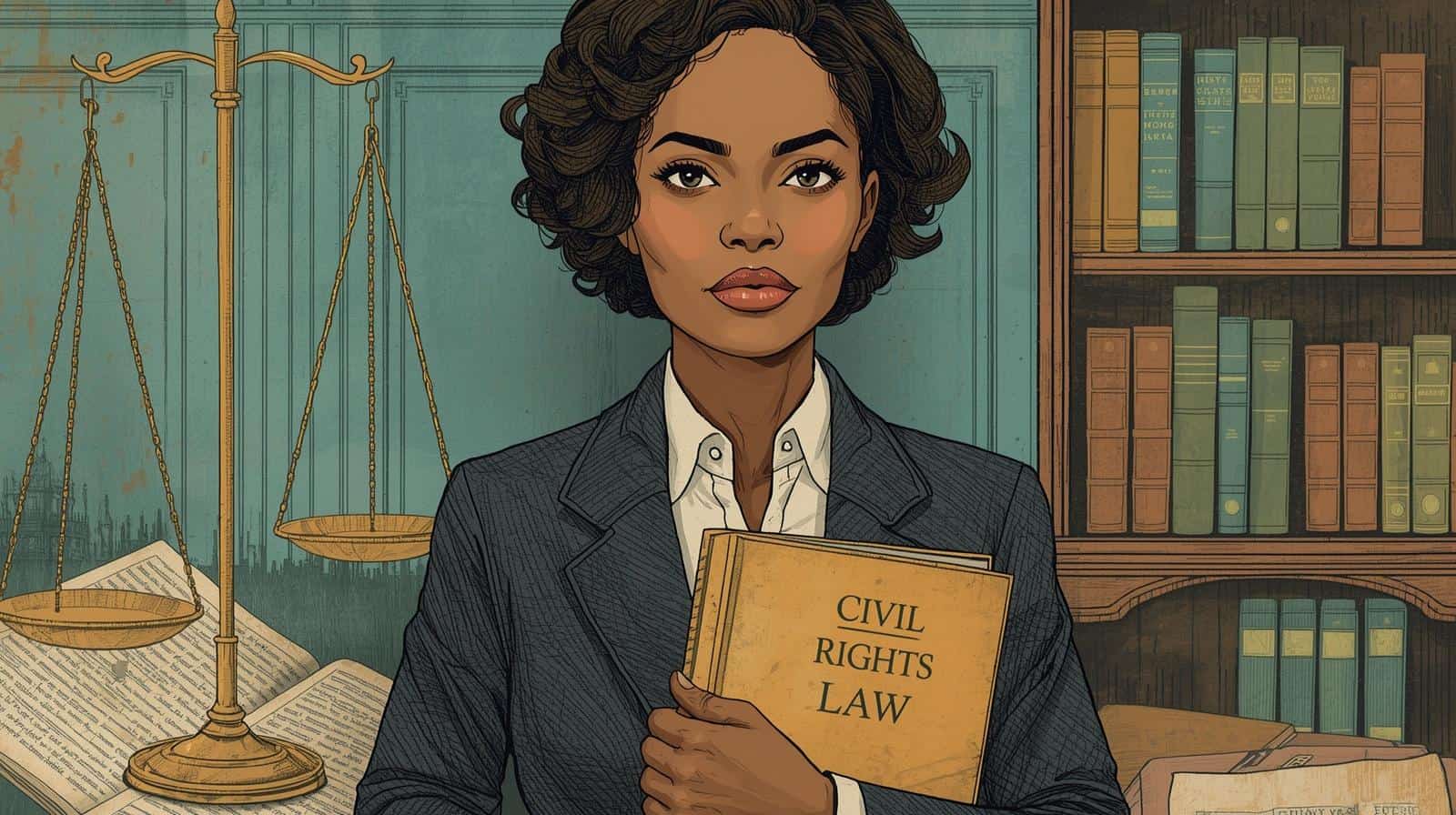
When lawyers step into a courtroom, what do they wear? The short answer is professional business attire, leaning heavily towards conservative and traditional. Think suits, ties, and modest dresses. It’s not just about looking good; it’s about conveying respect for the court, the legal process, and everyone involved. The way a lawyer dresses can subtly, yet significantly, influence how they are perceived, impacting everything from their credibility to the jury’s impression.
The Importance of Professional Courtroom Attire
You might wonder why clothes matter so much in a place where logic and evidence are supposed to reign supreme. But the reality is that human beings are influenced by visual cues. Professional courtroom attire isn’t about fashion; it’s about projecting an image of competence, seriousness, and trustworthiness.
Building Credibility and Trust
When a lawyer dresses professionally, they instantly convey a sense of gravitas and respectability. This can be crucial in building credibility with judges, juries, and even opposing counsel. An attorney who appears well-put-together and meticulous in their appearance suggests they are equally meticulous in their legal work. It instills confidence that they are taking the proceedings seriously and are prepared.
Showing Respect for the Court
Every courtroom is a formal environment, and dressing appropriately is a fundamental way to show respect for the institution, the judge, and the legal process itself. It acknowledges the solemnity of the proceedings and the importance of justice. Disregarding professional dress codes can be seen as a sign of disrespect, which can subtly, or not so subtly, impact the judge’s perception and potentially even their rulings.
Minimizing Distractions
The courtroom should be a place where the focus is entirely on the facts, the arguments, and the pursuit of justice. Flashy, overly casual, or inappropriate attire can be a significant distraction. Jurors, for example, might spend more time wondering about a lawyer’s sartorial choices than listening to their opening statement. Professional, understated clothing helps keep the focus where it should be: on the case at hand.
Traditional Courtroom Attire for Lawyers
For a long time, and still predominantly today, courtroom attire for lawyers has been steeped in tradition. This traditional approach emphasizes formality, conservatism, and a universally understood standard of professionalism.
Men’s Traditional Attire
For male lawyers, the cornerstone of traditional courtroom attire is a well-fitting suit. This typically means a two-piece suit in conservative colors.
Suit Colors and Fabric
Darker colors like charcoal gray, navy blue, or black are the most common and safest choices. These colors are perceived as serious and authoritative. The fabric should be good quality wool or a wool blend, appropriate for the season. Avoid shiny fabrics, distracting patterns, or overly casual materials like linen (unless in extremely warm climates and within local court custom).
Shirts and Ties
A crisp, long-sleeved dress shirt in a solid, light color like white or light blue is standard. Patterns on shirts should be subtle stripes or checks, if any. A tie is absolutely essential. Ties should also be conservative in color and pattern, avoiding anything overly bright, novelty, or distracting. Silk ties in solid colors, subtle stripes, or small patterns are ideal.
Shoes and Socks
Polished leather dress shoes in black or dark brown are the only acceptable footwear. Lace-up oxfords or loafers are common. Socks should match the suit trousers or shoes, covering the ankle, and ideally, be dark in color.
Women’s Traditional Attire
For female lawyers, traditional attire offers a bit more variety than for men, but still adheres to a very conservative framework.
Suits and Dresses
A suit is a primary option, either a pant suit or a skirt suit, in conservative colors like navy, charcoal gray, or black. Skirts should be knee-length or slightly below the knee. If wearing a dress, it should be a professional, tailored dress in a solid, conservative color. It should not be too tight, too revealing, or have a plunging neckline.
Blouses and Shirts
Blouses or shirts worn under suits or with skirts should be modest and professional. Solid colors like white, cream, or light blue are excellent choices. Subtle patterns are acceptable, but nothing overly bold or distracting. The fabric should be opaque and professional.
Shoes
Closed-toe shoes with a moderate heel are the standard. Pumps or low block heels in black, navy, or nude are appropriate. Avoid open-toed shoes, sandals, overly high heels, or casual footwear.
Modern Trends in Courtroom Attire
While tradition holds a strong sway, there are subtle shifts and modern considerations creeping into courtroom attire, mostly in terms of slightly expanded options rather than a radical departure. The core principle of professionalism remains paramount.
Subtle Color Expansion
Occasionally, you might see lawyers opting for slightly lighter shades of gray or blue, or even a subtle pinstripe. However, this is still within the realm of conservative business wear. Brighter or fashion-forward colors are generally still avoided.
Emphasis on Fit and Comfort
Modern professional clothing allows for better tailoring and more comfortable fabrics without sacrificing formality. A well-tailored suit that fits perfectly not only looks better but also allows the lawyer to move and present themselves with greater ease and confidence. Comfort, while important, should never come at the expense of professionalism.
Adaptations for Climate
In very warm climates, lighter-weight wool or blends that breathe better might be chosen, but still within the traditional suit framework. For example, a lawyer in Florida might opt for a lighter-weight wool-blend suit in navy rather than a heavy worsted wool. However, this is often a practical consideration rather than a style trend.
Tips for Choosing the Right Courtroom Attire
Selecting the right outfit for court is more than just grabbing the first suit you see. It requires thought and an understanding of the specific context.
Consider the Court and Jurisdiction
Different courts, and even different judges within the same court, might have slightly varying expectations. Federal courts tend to be more formal than state courts, and appellate courts often demand the highest level of formality. If you’re unsure, it’s always best to err on the side of more conservative dress.
Dressing for the Client and Case
While your attire is about your professionalism, it can also subtly influence the perception of your client and case. For a very serious criminal case, an impeccably dressed lawyer conveys a level of seriousness and diligence that can be beneficial. For some types of civil cases, a slightly less rigid (but still professional) approach might be appropriate, but always within the bounds of a conservative business dress code.
Personal Presentation and Grooming
Even the most expensive suit can’t compensate for poor grooming. Hair should be neat and tidy. Beards and mustaches should be well-trimmed. Nails should be clean and well-maintained. Minimal, appropriate makeup for women is best. Avoid strong perfumes or colognes. This attention to detail reinforces the message of professionalism and meticulousness.
Gender-Specific Courtroom Attire Considerations
While the overarching goal is professionalism, there are some nuanced differences for men and women when dressing for court, primarily concerning the range of acceptable options.
For Men: Simplicity and Consistency
For men, the guidelines are quite straightforward and have changed little over time: a dark, conservative suit, white or light blue shirt, and a conservative tie. The key is consistency and ensuring all elements are immaculate. There’s less room for variation or “fashion statements.”
For Women: Professionalism with Options
Women have a broader range of professional attire options, but this also means more choices to navigate. The challenge is to maintain professionalism while also finding clothing that fits well and is comfortable.
Avoiding Distractions
The primary rule for women is to avoid anything that could be perceived as distracting. This includes overly trendy clothing, revealing cuts (low necklines, high slits), sheer fabrics, loud patterns, or excessive jewelry. The focus should be on creating a clean, professional silhouette.
Practicality and Comfort
Considering the long hours often spent in court, comfort is important for women. Choosing clothing with appropriate stretch, comfortable shoes, and layering options can make a significant difference. However, comfort should never compromise the overall professional appearance.
Cultural and Regional Variations in Courtroom Attire
While the general principles of professional courtroom attire are quite global, there can be some interesting cultural and regional variations, particularly in countries with different legal traditions.
British Commonwealth Countries
In many British Commonwealth countries, such as the UK, Canada, Australia, and parts of the Caribbean, barristers wear specific robes, wigs, and sometimes collars (bands) as part of their court dress. This is a very strong tradition rooted in history and highly specific to those jurisdictions. Solicitors, when appearing in lower courts, typically wear business suits similar to those in the US.
European Civil Law Systems
In many European countries with civil law systems, lawyers might wear black robes over their suits, often without wigs. The style and cut of these robes can vary by country and even by court. The underlying attire is still generally a conservative business suit.
Asian Legal Systems
In many Asian countries, the legal profession values formality greatly. Lawyers often wear dark suits, similar to Western standards, sometimes with specific gowns or academic hoods depending on the jurisdiction and the level of court. In some contexts, traditional attire might be worn for ceremonial purposes, but for standard court appearances, professional Western business attire is common.
Etiquette and Professionalism in Courtroom Dress
Beyond the clothes themselves, how you wear them, and your overall demeanor, are crucial. Professionalism encompasses both your attire and your conduct.
Punctuality and Preparedness
Arriving on time, or early, and being thoroughly prepared for your case are as much a part of professionalism as your attire. Disheveled clothing combined with a flustered demeanor sends a terrible message.
Demeanor and Body Language
Even in the most perfectly tailored suit, slouching, fidgeting, or displaying an unprofessional attitude will undermine your appearance. Maintain good posture, make appropriate eye contact, and project confidence and respect.
Respect for Court Staff
Professionalism extends to how you interact with everyone in the courtroom, from the judge to the clerks, bailiffs, and opposing counsel. Politeness, courtesy, and a respectful attitude are always in order.
Impact of Courtroom Attire on Legal Representation
The way a lawyer dresses isn’t just about personal style or court rules; it can genuinely affect the outcome of a case, at least indirectly.
Jury Perception
Juries are made up of everyday people who may have little to no experience with the legal system. They often form initial impressions based on appearances. A professionally dressed lawyer comes across as more reliable, competent, and trustworthy. Conversely, an attorney who dresses inappropriately might be perceived as sloppy, disrespectful, or even incompetent, which could subtly prejudice the jury against their arguments or client.
Judicial Bias (Conscious or Unconscious)
While judges strive to be impartial, they are still human. A lawyer who consistently disregards court dress codes might be seen as disrespectful or lacking attention to detail, which could potentially, subconsciously, influence a judge’s perception during close calls or discretionary rulings. It’s about building a positive, professional standing with the court.
Client Confidence
Your client wants to feel like they have the best possible advocate. When they see their lawyer dressed impeccably and professionally, it instills confidence that their legal matter is being taken seriously and handled with the utmost care. It reassures them that their representative is fully engaged and prepared to present their case in the most favorable light.
In summary, courtroom attire is far more than just a dress code; it’s a strategic element of legal practice. It’s about projecting professionalism, showing respect, and ultimately, subtly influencing the various parties involved in the legal process to ensure the most effective representation possible. It’s about the serious business of law, conveyed through a serious presentation.