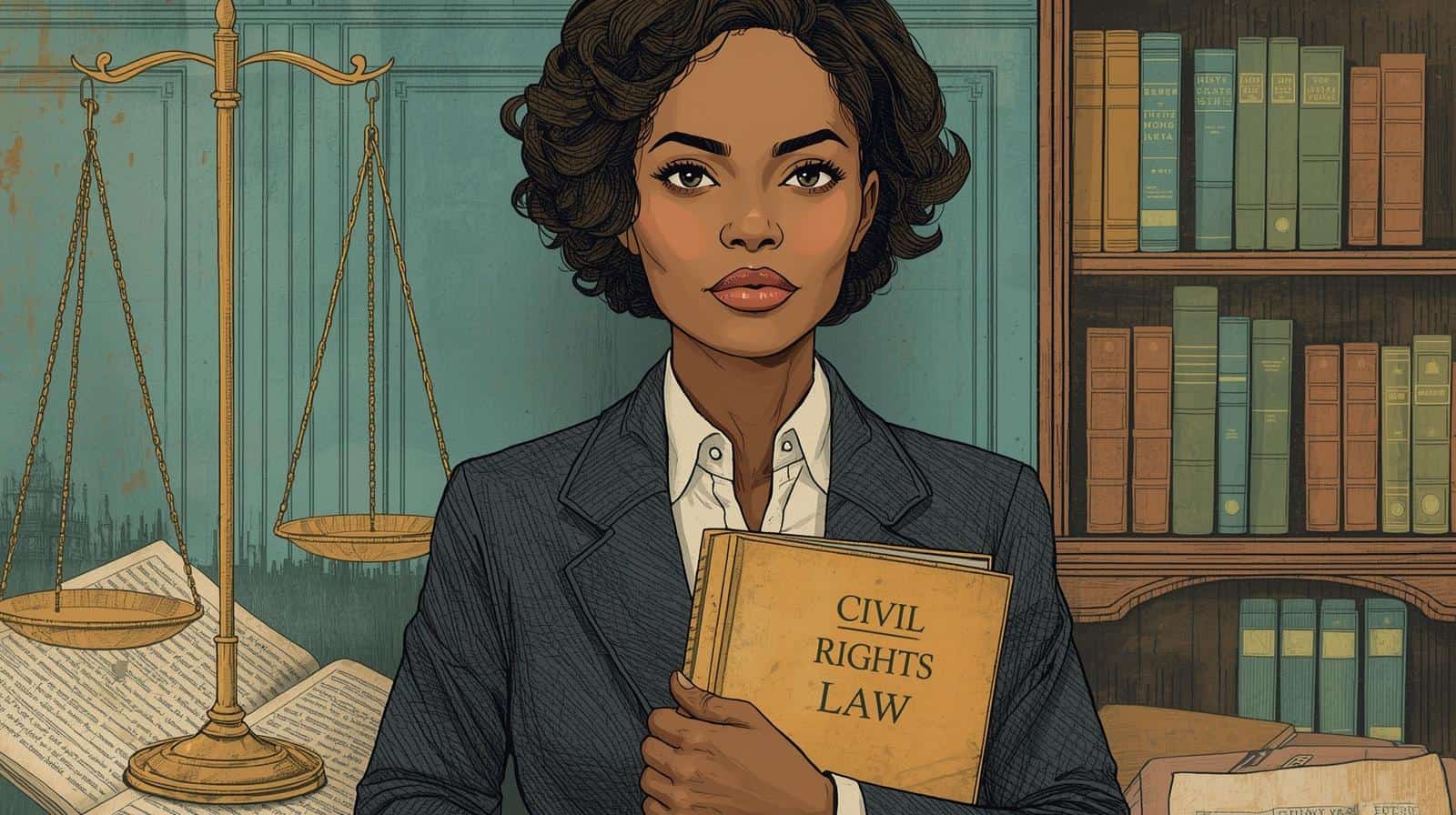
Navigating the world of professional attire as a female attorney can feel like a minefield. The short answer? You’re generally expected to dress professionally, leaning towards conservative, polished, and understated. This isn’t just about looking good; it’s about conveying competence, respect for the legal process, and credibility in a field where perception can genuinely impact your work.
Why Professional Attire Matters for Women Lawyers
It might seem old-fashioned to some, but what you wear as a lawyer plays a significant role in how you’re perceived, both by clients and by your peers, and crucially, by the court. In a courtroom setting, your clothing contributes to the overall impression of competence and respect for the judicial system. It helps establish your authority and seriousness. Clients often look for an attorney who projects confidence and reliability, and your attire is one of the first visual cues they receive. In the office, it fosters a professional atmosphere and can even influence how colleagues and superiors view your commitment and attention to detail. It’s not about being trendy; it’s about being appropriate and effective.
Courtroom Attire for Female Attorneys in the U.S.
When you step into a courtroom, the stakes are higher, and so are the expectations for your attire. The goal is to avoid any distractions and project an image of seriousness and respect.
Suits and Blazers
A well-fitting suit is almost always the safest and most appropriate choice for court. This typically means a matching pantsuit or skirt suit. The blazer should fit comfortably, allowing you to move freely without looking too tight or too baggy. For skirts, aim for a length that hits at or just below the knee when standing. Pants should be tailored and fall nicely over your shoes, avoiding anything overly tight or flared.
Blouses and Shells
Underneath your suit, a modest blouse or shell is essential. Necklines should be conservative, avoiding anything low-cut or revealing. Fabrics like silk, quality cotton, or a professional blend are good choices. Stick to solid colors or very subtle patterns that don’t detract from your overall professional appearance.
Dresses
A business-appropriate dress can also be suitable for court, provided it meets certain criteria. The dress should be tailored, knee-length or longer, and have sleeves (either short sleeves, three-quarter, or long sleeves). Avoid sleeveless dresses unless you plan to wear a blazer over them at all times. Again, modesty is key; avoid anything too tight, transparent, or with distracting cut-outs.
Office Dress Code for Female Lawyers
While the courtroom typically demands the highest level of formality, office dress codes can vary more significantly depending on the firm, its culture, and even your specific practice area. However, erring on the side of professionalism is always a good strategy.
Business Professional
Many traditional law firms or those with regular client meetings maintain a “business professional” dress code. This generally mirrors courtroom attire: suits, tailored dresses, and professional separates. It’s about maintaining a consistently polished and formal look.
Business Casual
Some firms, particularly newer ones, larger corporate law offices, or those with less direct client interaction, might adopt a “business casual” approach. This doesn’t mean “casual” in the everyday sense. Think tailored trousers, dress slacks, skirts, blazers (which might not always be worn with matching bottoms), and professional blouses or sweaters. Jeans, t-shirts, and sneakers are almost always out, even in a business casual environment.
Firm Culture
It’s always a good idea to observe what others in your firm, particularly senior attorneys, are wearing. This can give you the best indication of the unspoken rules and accepted norms. When in doubt, dress more formally. It’s generally better to be overdressed than underdressed in a professional setting.
Best Suits, Blazers, Dresses, and Separates for Women Attorneys
Building a versatile professional wardrobe involves investing in quality foundational pieces. These items should be well-constructed and durable, as you’ll be wearing them frequently.
The Power Suit Ensemble
Invest in at least two or three well-fitting suits in neutral colors like charcoal grey, navy blue, or black. These form the backbone of your professional wardrobe. Look for suits made from quality wool blends or gabardine that hold their shape well. The tailoring is paramount; an ill-fitting suit can undermine your entire look.
Versatile Blazers
Beyond your matching suits, having a few stand-alone blazers in complementary colors can expand your outfit options significantly. A black, navy, or tweed blazer can be paired with tailored trousers or skirts that aren’t part of a matching suit, giving you more flexibility for business casual days or less formal meetings.
Professional Dresses
Shift dresses, sheath dresses, and A-line dresses are excellent choices. Again, focus on modest necklines, appropriate lengths, and quality fabrics. Having a few professional dresses in your wardrobe means you have quick, pulled-together options for busy mornings. Aim for solid colors or subtle patterns.
Separates: Trousers and Skirts
Several pairs of tailored trousers in neutral colors are essential. Look for styles like straight-leg, slim-fit (but not tight), or bootcut. For skirts, pencil skirts and A-line skirts are classic and appropriate. Ensure they hit at or just below the knee. Mix and match these with various blouses and blazers to create numerous professional outfits.
Shoes, Bags, and Accessories for Female Lawyers
These finishing touches can elevate your professional look or detract from it if chosen poorly.
Shoes for Court and Office
Comfortable, closed-toe professional shoes are a must. Classic pumps with a moderate heel (2-3 inches) are a staple. Flats can also be appropriate, provided they are professional in style and material (e.g., leather, not canvas). Avoid anything overly trendy, strappy, open-toed in court (and generally discouraged in the office), or with sky-high heels that make it difficult to walk gracefully. Stick to neutral colors like black, navy, or nude.
Professional Bags
Your briefcase or handbag should also project professionalism. A structured leather or high-quality faux leather tote or shoulder bag that can comfortably hold your documents and essentials is ideal. Avoid overly casual bags, backpacks, or anything with prominent logos or embellishments. The primary function of your bag in this context is utility and understated elegance.
Jewelry and Accessories
Keep jewelry understated and minimal. A classic watch, simple earrings (studs or small hoops), and perhaps a delicate necklace are usually appropriate. Avoid statement pieces, anything flashy or noisy, or excessive amounts of jewelry. Scarves can be a nice way to add a touch of color or personality, but ensure they are neatly tied and complement your outfit. For hosiery, nude or sheer black hosiery is generally recommended with skirts and dresses, especially in more formal settings or court.
Professional Colors, Patterns, and Fabrics
The choices you make here significantly influence the overall impression of your attire.
Color Palette
Neutral colors are your best friends in a professional legal environment. Think black, charcoal grey, navy blue, white, and various shades of ivory or cream. These colors convey seriousness and professionalism. You can introduce subtle pops of color through blouses or accessories, but keep the main components of your outfit conservative. Deep jewel tones like burgundy or forest green can sometimes be appropriate, depending on the firm’s culture, but always exercise caution.
Pattern Play
When it comes to patterns, less is often more. Solid colors are always safe. If you opt for patterns, choose very subtle ones like pinstripes, houndstooth, or subtle checks in your suits. For blouses, small, understated patterns or textures are fine. Avoid loud, busy, or overly casual prints.
Fabric Choices
High-quality fabrics make a difference. Wool, wool blends, gabardine, silk, high-quality cotton blends, and professional synthetic blends (like ponte knit for structured dresses) are good choices. They drape well, resist wrinkling, and generally look more polished. Avoid fabrics that wrinkle easily, are too sheer, or appear overly casual (like jersey knits, linen for suits unless specifically designed for it, or denim).
What Female Lawyers Should Avoid Wearing
It’s often easier to define what’s not appropriate than to list every single appropriate item. Here are some general guidelines for what to avoid.
Too Casual
This includes jeans (even dark wash), t-shirts, sneakers, flip-flops, athletic wear, sweatpants, and hoodies. Even if your firm has a “casual Friday,” ensure your casual wear is still polished and professional, leaning more towards smart casual than everyday relaxed.
Too Revealing
Avoid anything low-cut, sheer, tight, or excessively short. This applies to necklines, skirt lengths, and the overall fit of your clothing. Transparency in fabrics is a definite no-go. The aim is to project professionalism, not to draw attention to your body.
Too Trendy or Flashy
While fashion trends come and go, professional legal attire tends to be classic and timeless. Avoid overly fashionable items that might quickly look dated or accessories that are excessively flashy, noisy, or distracting. This includes clothing with large logos, bright neon colors, excessive embellishments, or anything that might be perceived as frivolous.
Unkempt Appearance
Even the most expensive suit will look unprofessional if it’s wrinkled, stained, or ill-fitting. Ensure your clothes are always clean, pressed, and in good repair. Pay attention to details like stray threads or missing buttons. Your hair and makeup should also be neat and professional.
How Dress Codes Can Vary by Court, Judge, Firm, and Practice Area
It’s important to remember that dress codes aren’t universally monolithic. There’s often nuance involved.
Court vs. Office
As mentioned, courtrooms almost always demand a higher level of formality. What’s acceptable in your office might not pass muster before a judge. Always default to your most formal attire for court appearances.
Judge’s Preferences
Some judges have specific preferences, which might even be communicated to attorneys. While less common, being aware of a particular judge’s courtroom demeanor and expectations can sometimes inform subtle adjustments to your attire, always within the bounds of professional dress.
Firm Culture
Small, boutique firms might have a different vibe than large, international corporate firms. A firm specializing in entertainment law might have a slightly more relaxed approach than one focused on white-collar crime. Observe and adapt.
Practice Area
Your specific area of law can also play a role. A public defender might have a slightly different daily dress code than a mergers and acquisitions attorney, though both still need to maintain professionalism. Attorneys who spend a lot of time in client meetings or in court will generally adhere to stricter dress codes than those who are more research-focused.
Final Tips for Following the Lawyer Dress Code Female Attorneys Need in Court and the Office
It boils down to a few key principles that will serve you well throughout your legal career.
Err on the Side of Formal
When in doubt, always choose the more formal option. It’s generally better to be slightly overdressed than underdressed in any professional legal setting. This demonstrates respect for the institution, your clients, and your colleagues.
Invest in Quality Basics
A few high-quality, well-fitting pieces will serve you better than a wardrobe full of trendy, inexpensive items. Quality fabrics and good tailoring make a noticeable difference in how you look and feel.
Pay Attention to Detail
Your entire appearance, from your hair and makeup to your shoes and accessories, contributes to your professional image. Ensure everything is neat, clean, and polished. Minor details can have a significant impact.
Comfort Matters (Without Sacrificing Professionalism)
You’ll be spending long hours in your professional attire, so comfort is important. Choose fabrics that breathe and shoes that you can comfortably walk in. This doesn’t mean sacrificing professionalism; it means making smart choices that allow you to focus on your work, not on your uncomfortable clothing.
Observe and Adapt
Pay attention to what senior attorneys in your firm and those in your specific practice area are wearing. Dress codes evolve slowly, but they do evolve. Being observant will help you understand the nuances and adapt your wardrobe effectively. Building a professional wardrobe is an ongoing process, but by focusing on these practical guidelines, you’ll be well-equipped to present a credible, confident, and professional image in any legal setting.